
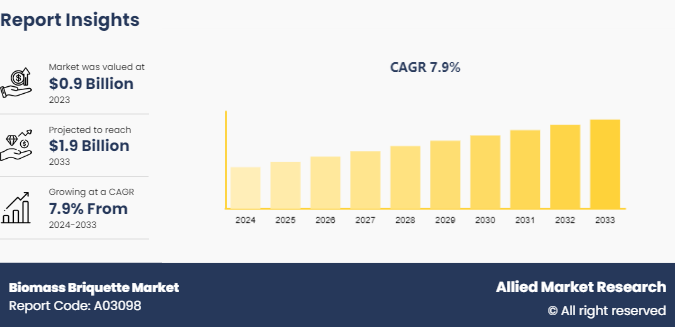
Coconut shell charcoal briquette has become one of the most promising renewable energy alternatives in recent years, especially as global markets move toward eco-friendly solutions. With rising concerns about climate change and the depletion of fossil fuels, industries and households alike are seeking energy sources that are cleaner, affordable, and sustainable. This growing awareness has fueled the rapid rise of the Briquette market demand and opportunities, presenting significant potential for businesses, investors, and local communities.
Rising Global Energy Needs
The global population continues to increase, pushing energy consumption to unprecedented levels. Many developing countries still rely heavily on wood, kerosene, and coal, all of which contribute to deforestation and air pollution. Briquettes, made from agricultural residues such as coconut shells, sawdust, rice husks, or other biomass materials, offer a cleaner-burning alternative. They not only reduce greenhouse gas emissions but also create economic value from materials that would otherwise go to waste.
The shift toward briquettes is also supported by international initiatives to reduce carbon footprints. Countries in Europe, North America, and Asia are adopting stricter environmental regulations, which drive demand for sustainable fuels. This is where the Briquette market demand and opportunities becomes highly relevant, as it creates a win-win solution: protecting the environment while meeting energy needs efficiently.
Economic Opportunities in the Briquette Industry
One of the most attractive aspects of briquette production is its accessibility. Unlike large-scale fossil fuel industries, briquette production can be started on a small to medium scale with relatively low capital investment. Entrepreneurs in rural and semi-urban areas can leverage agricultural by-products to set up briquette-making businesses.
For countries like Indonesia, the Philippines, India, and parts of Africa, where coconut shells and other biomass residues are abundant, the briquette industry holds tremendous promise. By converting waste into valuable energy, local communities can generate new income streams, create employment opportunities, and reduce dependency on imported energy sources.
Additionally, briquettes are easier to store, transport, and handle compared to traditional charcoal or firewood. This logistical advantage strengthens their competitiveness in both local and export markets.
Market Demand Trends
The briquette market is growing steadily across multiple sectors:
- Household Use – In many regions, households are adopting briquettes for cooking and heating because they are smokeless, odorless, and cost-effective.
- Hospitality Industry – Hotels, restaurants, and resorts use briquettes for barbecuing and heating purposes, particularly the high-quality coconut shell charcoal briquette that burns longer and cleaner.
- Industrial Applications – Factories and small-scale industries are switching to briquettes as an alternative fuel for boilers and kilns, reducing operational costs and aligning with sustainability goals.
- Export Markets – Countries with limited biomass resources import briquettes for both household and industrial purposes, driving global trade growth.
These diverse applications highlight the strength of the Briquette market demand and opportunities, making it a lucrative sector for future investment.
Challenges and Solutions
Despite its potential, the briquette industry faces several challenges. The first is a lack of awareness among end-users. Many households and industries are unfamiliar with the advantages of briquettes compared to traditional fuels. Another challenge is the inconsistent quality of briquettes, especially in developing regions where small producers lack standardization.
To overcome these barriers, governments, NGOs, and private investors can play an active role in providing training, promoting quality standards, and increasing public awareness campaigns. Innovations in technology, such as advanced briquette machines and drying methods, can also help improve efficiency and product consistency.
The Future of Briquettes
As global energy markets transition toward renewable sources, briquettes will continue to play a vital role. They are not just a low-cost energy solution but also a driver of sustainable development. For investors and entrepreneurs, entering this market now offers significant advantages, as demand is only expected to grow in the next decade.
Sustainability-focused industries and conscious consumers are shaping the future of energy consumption, and briquettes perfectly fit into this narrative. With proper investment in infrastructure, quality assurance, and global trade networks, the industry could become a cornerstone of the renewable energy sector.
Conclusion
In summary, the Briquette market demand and opportunities highlight the significant role briquettes can play in addressing global energy challenges while promoting economic growth and environmental protection. From household cooking to large-scale industrial applications, briquettes are versatile, sustainable, and cost-effective. Countries with abundant agricultural waste have a unique opportunity to transform these materials into profitable and eco-friendly energy sources.
Coconut shell charcoal briquette is at the forefront of this transformation, symbolizing the potential of turning waste into wealth and providing the world with a cleaner energy future.